

The $600 Disruptor: Apple’s Strategic Reconfiguration of the PC Market via the MacBook Neo
Serious
Technology
News
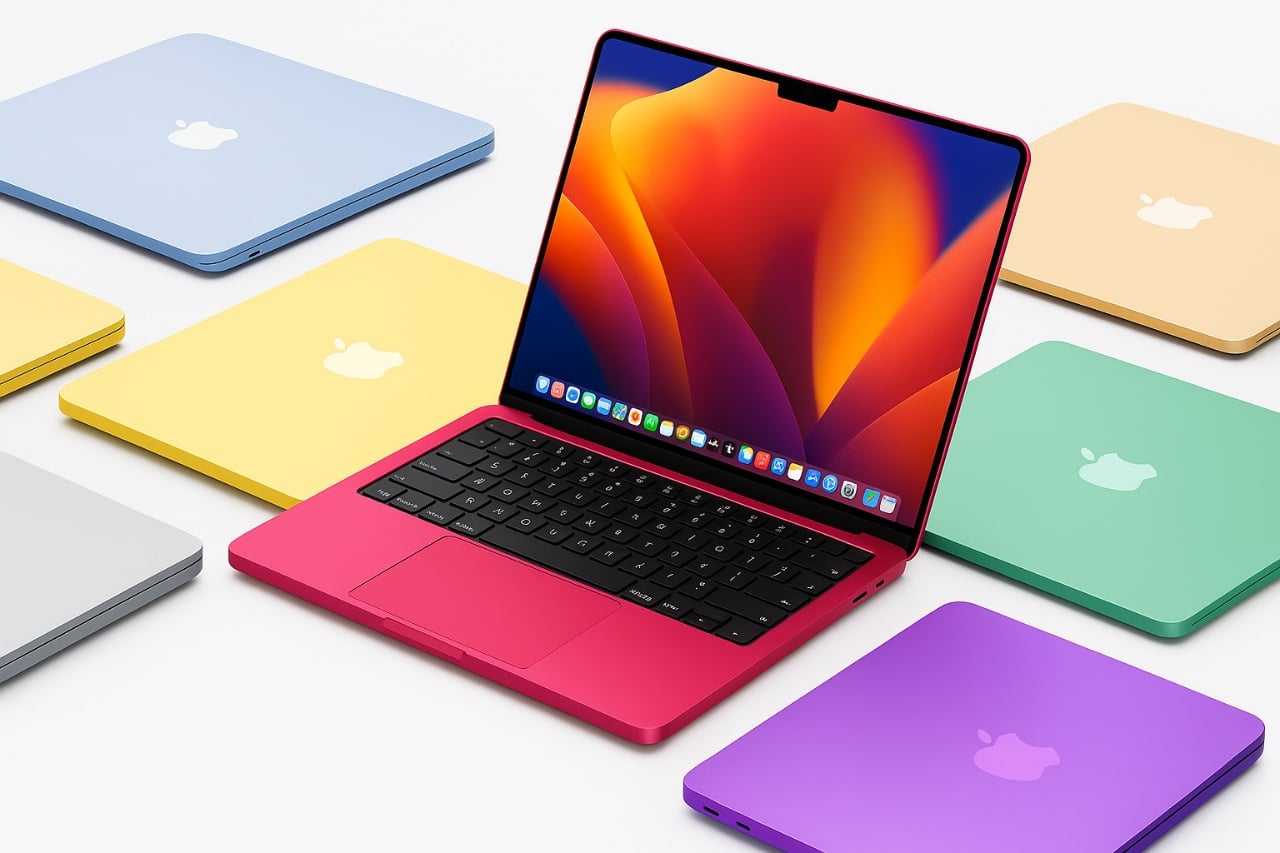
The introduction of the MacBook Neo represents a fundamental shift in Apple’s market philosophy, marking the moment the Cupertino giant transitioned from a luxury niche player to an aggressive competitor in the budget laptop segment. With a starting price of $600—equivalent to the base model of an iPhone 17—the device has already sent tremors through the industry, with the CFO of ASUS describing its launch as a "shock to the PC industry". This strategic move is not merely about affordability; it is a calculated assault on the Chromebook and entry-level Windows markets, leveraging Apple’s premium brand image to capture the education and corporate sectors that were previously priced out of the macOS ecosystem.
Underpinning this new entry-level strategy is the adaptation of smartphone architecture for desktop use. The MacBook Neo utilizes the A18 Pro chip, the same silicon found in the iPhone 16 Pro, yet optimized here for a fanless, aluminum chassis. While the chip demonstrates impressive single-core performance in synthetic benchmarks, Apple has implemented strict technical boundaries to preserve the hierarchy of its product line. The base model is capped at 8GB of unified LPDDR5 memory with a relatively narrow bandwidth of 60 GB/s, and the thermal management system is configured to aggressively throttle frequencies once temperatures reach 85°C, ensuring the device remains a "21st-century typewriter" rather than a professional workstation.
The path to a $600 price point necessitated significant hardware compromises that define the Neo’s user experience. To achieve this cost structure, the base configuration omits a backlit keyboard and the Touch ID sensor, requiring users to return to manual passcode entry. Furthermore, the connectivity suite has been downgraded; while the device features two USB-C ports, one is limited to the archaic USB 2.0 speeds of 480 Mbps, and the other operates at USB 3.2 Gen 2 speeds, lacking the Thunderbolt 4 capabilities found in the Air and Pro models. Even the trackpad has seen a reversal in technology, moving from the haptic Force Touch system back to a traditional mechanical click mechanism.
Despite these omissions, the MacBook Neo introduces a historic change in Apple’s approach to hardware longevity and repairability. Influenced by shifting global regulations, particularly from the European Union, Apple has designed the Neo to be its most repairable laptop in over a decade, earning a 6 out of 10 score from iFixit. The battery is no longer glued to the chassis but secured with 18 screws, and the modular nature of the USB-C ports and headphone jack allows for easier component replacement. This shift toward sustainability, combined with an energy-efficient architecture that delivers between seven and nine hours of active screen time, suggests that Apple is prioritizing long-term user retention over the high-margin exclusivity that once defined the Macintosh brand.
Ultimately, the MacBook Neo serves as a Trojan Horse for the Apple ecosystem. By lowering the barrier to entry by nearly a third of the previous starting price, Apple is betting that the allure of macOS and the seamless integration with iPhone services will outweigh the technical limitations of a budget-conscious build. While professional users will find the thermal throttling and memory constraints prohibitive for intensive tasks like 8K video rendering or complex audio production, for the average student or casual user, the Neo offers a "cheap luxury" experience that redefines what a sub-$1000 laptop can represent in a post-Intel era.
You must be logged in to add a comment. Login.
Se încarcă comentarii...